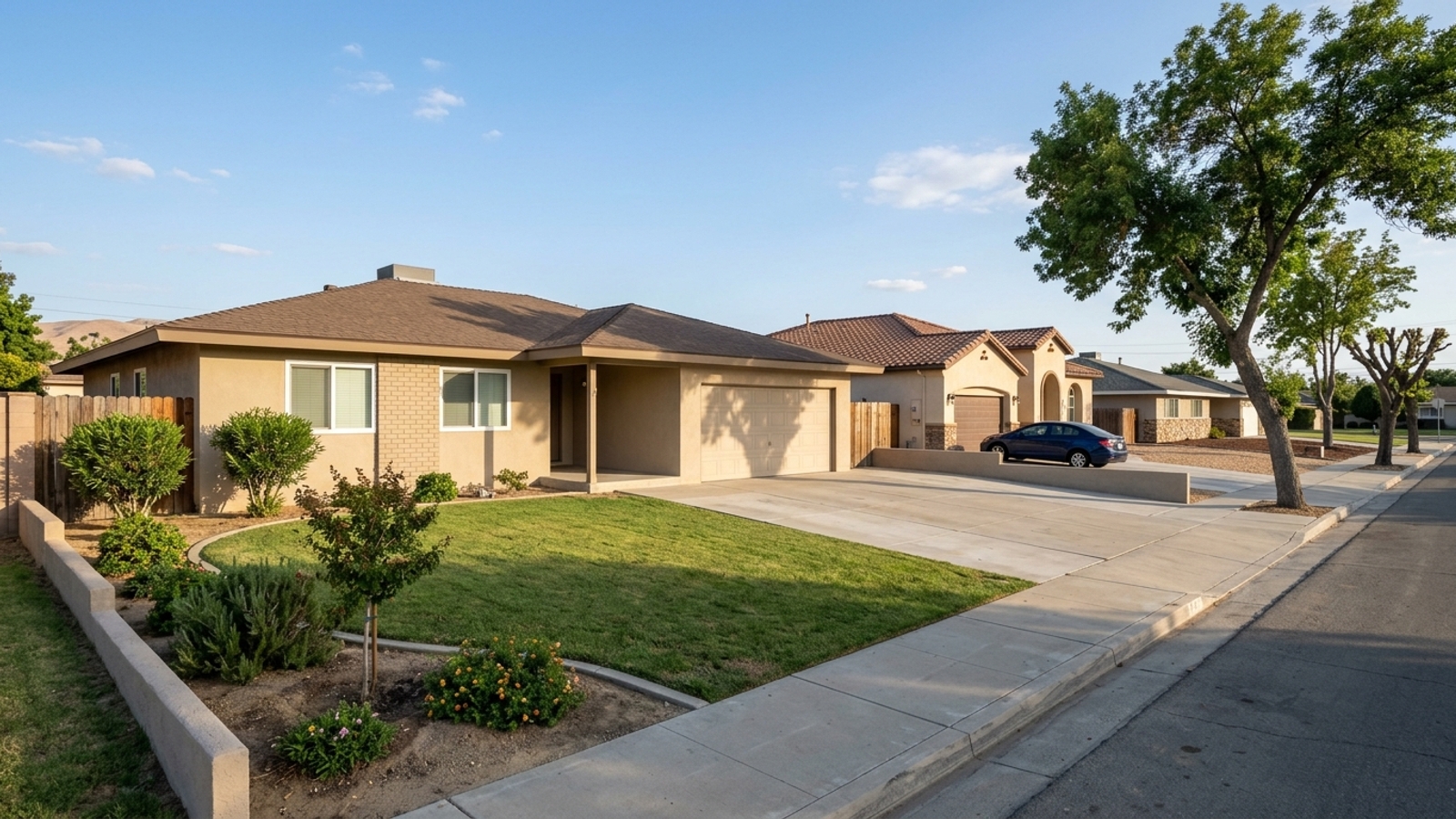
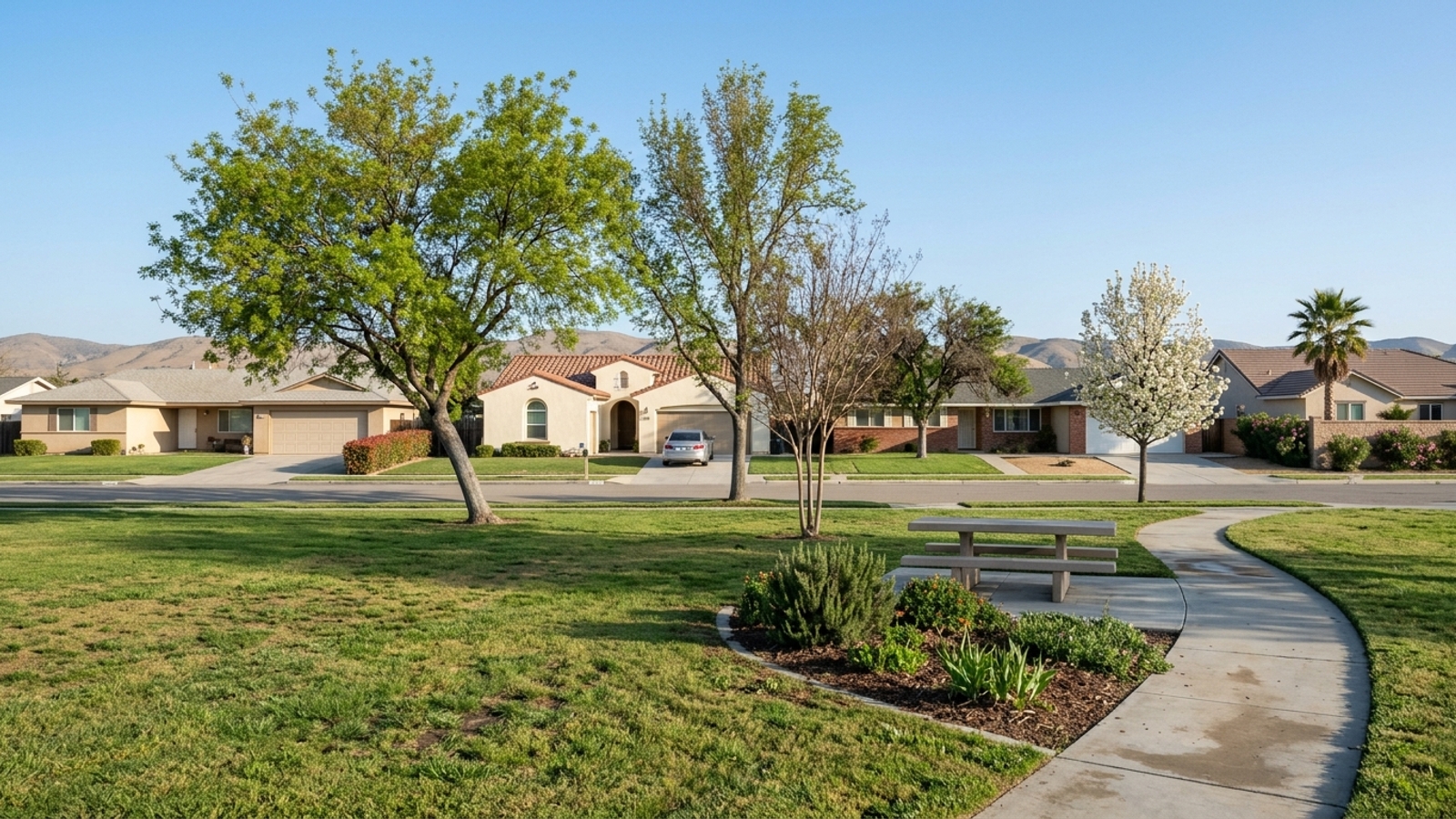
Selling a house in a trust in Bakersfield isn't like a standard sale. You're not acting for yourself - you're acting on behalf of the trust, with a legal obligation to get the best possible outcome for the beneficiaries.
Bakersfield has its own rhythm right now, with homes spending around 35 days on the market before going under contract. Layering California trust law on top of those local conditions means you need a clear handle on your duties, your paperwork, and how Kern County's recording office works.
Your Role as a Fiduciary in Kern County
A trustee operates under a fiduciary duty - a binding legal obligation that puts the financial interests of the trust and its beneficiaries ahead of your own convenience. Every decision you make about the real estate has to run through that filter.
The median sale price in Bakersfield right now is around $419,800. That's a significant asset, and maximizing the return on it means carefully evaluating offers, keeping expenses in check, and following the trust document to the letter.
Acting in the Beneficiaries' Best Interests
Until the property sells, you're responsible for managing it prudently. That means staying current on property taxes, keeping homeowners insurance in place, and making sure the home doesn't deteriorate.
Document every expense and every decision. Beneficiaries waiting on their distributions can get frustrated, and a clear paper trail is your best protection if questions arise later.
Reading the Trust Agreement
The trust document is the first thing you should sit down with before you do anything else. It spells out your specific powers - whether you're authorized to sell real estate, hire professionals, or approve repairs.
Under California Probate Code §§16200-16249, a trustee generally has the statutory power to sell trust real property even when the document doesn't explicitly say so, as long as the trust doesn't expressly prohibit it. You typically don't need a court order unless there are disputes among beneficiaries or the trust terms are genuinely ambiguous.
Legal Steps to Transfer Trust Real Estate
Transferring property out of a trust means filing specific paperwork with the Kern County Assessor-Recorder. Buyers and their lenders won't close until they're satisfied you have the legal authority to sign the deed - so get this right before you list.
Kern County has particular formatting requirements: documents must be printed in black ink on white paper, sized between 8.5x11 and 8.5x14 inches, with proper margins and a current notary acknowledgment.
Recording the Certificate of Trust and Death Certificate
A Certificate of Trust establishes your authority to act without exposing the full trust document to public record. You'll record an Affidavit of Death of Trustee alongside a certified copy of the death certificate to update the title.
Kern County classifies that affidavit as a document not related to real property for fee purposes. Standard recording fees typically start at $15.00 for the first page and $3.00 for each additional page. Trustee's Deeds run $23.00 for a letter-sized first page.
Clearing Title and Securing Insurance
A title company will search for outstanding liens or claims against the property and review your trust documents to confirm you're the valid successor trustee.
Once title is cleared, the buyer can obtain title insurance - a standard requirement for any transaction involving a mortgage, and a step that protects the buyer from future claims against the property.
California Disclosure Rules for Trustees
Under California Civil Code §1102.2(d), fiduciaries administering a trust are generally exempt from completing the standard Transfer Disclosure Statement. That exemption disappears, though, if you're a natural person serving as trustee of a revocable trust and you owned or occupied the property within the preceding year.
Even with the exemption, you're still required to disclose known material defects under common-law duty. Natural hazard zones, seismic hazards, and withholding requirements are additional statutory disclosures that apply regardless.
Preparing a Bakersfield Trust Property for the Market
Trust properties often sit vacant or come packed with decades of accumulated belongings. Getting the home properly prepared isn't just about aesthetics - it's part of your fiduciary duty to maximize the sale price.
Bakersfield homes have been selling for about 99.2% of their list price recently. Accurate pricing from day one is how you capture that value and avoid carrying costs piling up against the trust.
Professional Valuations and Date of Death Appraisals
A real estate agent can provide a Comparative Market Analysis to help you land on a competitive listing price, drawing on recent sales of similar homes in the specific Bakersfield neighborhood.
You'll almost certainly also need a date-of-death appraisal from a licensed appraiser. That establishes the property's new tax basis - a number you'll need to calculate capital gains taxes when the home sells.
Deciding Between As-Is Sales and Repairs
Trustees wrestle with this one constantly. Selling as-is keeps out-of-pocket expenses low and gets the property to market faster. If there's significant deferred maintenance, though - a leaking roof, badly worn flooring - targeted repairs can yield a higher return. Weigh the cost of the work against the realistic increase in the final sale price before committing trust funds.
Managing Estate Sales and Property Clearing
The property needs to be empty before you list it. Beneficiaries should have a genuine opportunity to claim items designated to them in the trust document before anything else happens.
For what's left, most trustees bring in estate sale companies or professional cleanout services. A cleared house lets buyers see the space for what it is, and it makes cleaning and staging straightforward.
Working with a Local Real Estate Professional
A trust sale means coordinating with attorneys, title companies, tax professionals, and the county recorder's office - often at the same time. An agent who knows how trust sales work can keep those pieces moving without you having to manage every handoff yourself.
They handle marketing, negotiations, and compliance paperwork, which frees you to focus on the trust's broader financial obligations and staying in communication with the beneficiaries.
Coordinating with Probate Attorneys and Title Companies
Your agent should be talking directly with your probate attorney and the title company to make sure every required document is filed correctly and on time. Missing signatures and incorrectly formatted paperwork are the two things that most reliably blow up a closing.
An agent familiar with Kern County's recording fees can also give the trust accurate closing cost estimates - including the SB2 Building Homes & Jobs Act fee and the documentary transfer tax of $0.55 per $500 of value.
Marketing the Property Locally
More buyers in the door means more competition, and more competition protects your obligation to achieve fair market value. That starts with professional photography, MLS listing, and syndication to the major property portals.
Your agent will position the property's best features for the Bakersfield market specifically. It's not complicated - it just has to be done well.
Frequently Asked Questions
Can a trustee sell property without beneficiary approval in California?
Yes. Under the California Probate Code, a trustee generally has the statutory power to sell trust real property without beneficiary approval or a court order, provided the trust document doesn't expressly restrict or prohibit the sale.
What are the tax implications of a trustee selling property?
The trust or the beneficiaries may owe capital gains tax on the property's appreciation. Inherited trust property often receives a step-up in basis to its fair market value at the date of the creator's death, which can reduce the tax burden.
Does a trustee have to provide a seller's disclosure in California?
It depends on the trustee's history with the property. Fiduciaries are generally exempt from the standard Transfer Disclosure Statement, but that exemption doesn't apply if the trustee is a natural person of a revocable trust who owned or occupied the home within the last year. All trustees must still disclose known material defects.
What legal documents are required to prove I have authority to sell a trust property in Bakersfield?
You'll need a Certificate of Trust and an Affidavit of Death of Trustee, both recorded with the Kern County Assessor-Recorder alongside a certified copy of the death certificate.
Should a trustee renovate an inherited home before selling it on the Bakersfield market?
It depends on the home's condition and the trust's available funds. Selling as-is minimizes out-of-pocket expenses, but trustees should weigh the cost of repairs against the potential increase in the final sale price before deciding.
How long does it typically take to close a trust property sale in Bakersfield?
Recent data shows Bakersfield homes spend about 35 days on the market before going under contract. The full timeline runs longer once you factor in clearing the property, recording the trust documents, and a standard 30-day escrow period.