
Tulare County County
Real Estate in Visalia.
Tulare County's largest city and the gateway to Sequoia and Kings Canyon National Parks, Visalia combines a thriving historic downtown, diverse economy, excellent schools, and family-friendly neighborhoods — all at prices far below coastal California.
Quick Facts
- CountyTulare County County
- Population145000
- Median Home Price$395,000
- Avg Days on Market30
- ConsultationFree
Visalia: Gateway to the Sequoias
Visalia is the crown jewel of Tulare County — a city of approximately 145,000 residents that punches well above its weight in terms of livability, culture, and economic vitality. As the closest major city to Sequoia and Kings Canyon National Parks, Visalia enjoys a unique identity that blends San Joaquin Valley agricultural heritage with a gateway-city energy that draws visitors, outdoor enthusiasts, and relocating families alike. Alex Daredia has expanded into the Visalia market because the fundamentals are exceptional: strong schools, a charming downtown, diverse neighborhoods, and prices that remain a fraction of coastal California.
Real Estate Market Overview
Visalia's housing market is the most dynamic in Tulare County. With a median home price of approximately $395,000, it represents a slight premium over nearby cities — a premium justified by the city's superior amenities, school quality, and economic diversity. Days on market average around 30, making Visalia the most competitive market in the county and comparable in pace to much larger metros. Demand is fueled by a diverse buyer pool: local move-up families, healthcare professionals tied to Kaweah Health, agricultural industry executives, retirees drawn to the lifestyle, and increasingly, remote workers who discover that Visalia offers a quality of life that their tech-hub salaries can fully capitalize on.
The market spans a wide range. Entry-level homes in south Visalia and Goshen start in the $280K–$330K range. The broad middle market — three- and four-bedroom family homes in established neighborhoods — occupies the $370K–$480K sweet spot. Northwest Visalia's newer developments and custom homes push from $500K into the $700K range, and estate properties on the city's rural edges can exceed $1 million.
Neighborhood Breakdown
- Downtown Visalia: The vibrant historic core with tree-lined streets, the Fox Theatre, restaurants, breweries, and boutiques. Surrounding Victorian and Craftsman homes sell briskly when they come to market, typically in the $350K–$500K range. This area appeals to buyers who value walkability and character.
- Northwest Visalia: The growth corridor where most new construction is happening. Master-planned communities offer modern designs, parks, and proximity to new retail developments. Prices range from $400K–$650K, and this area attracts young professionals and growing families.
- Mineral King: One of the most established and desirable neighborhoods, located near Mineral King Avenue. Large oak trees, generous lots, and homes with character define this area, with prices typically in the $400K–$550K range.
- Oval Park: A historic neighborhood centered around the tree-lined park of the same name. This walkable area near downtown features charming older homes and is popular with buyers who want a connection to Visalia's past.
- Mooney Boulevard Corridor: The commercial spine of the city, with residential neighborhoods on both sides offering mid-range homes convenient to shopping, dining, and services.
- Rancho Sequoia: A well-regarded community in the southwest portion of the city with established homes, mature landscaping, and a family-oriented atmosphere.
- South Visalia: The most affordable section of the city, with older homes and properties that represent strong value for first-time buyers and investors.
Economy & Employment
Visalia's economy is the most diversified in Tulare County. As the county seat, it hosts county government offices employing thousands. Kaweah Health Medical Center is the largest employer and a growing healthcare system. Agriculture remains central — Tulare County is the most productive agricultural county in the United States by value, and Visalia hosts many agribusiness headquarters. Retail and services benefit from Visalia's role as the regional shopping destination, with the Sequoia Mall, Packwood Creek area, and ongoing commercial development. Education employment comes from the Visalia Unified School District and College of the Sequoias.
Schools & Education
Visalia Unified School District is one of the most respected in the San Joaquin Valley. The district operates numerous elementary, middle, and high school campuses, including Golden West High School, Redwood High School, Mt. Whitney High School, and El Diamante High School. Academic performance, particularly at the elementary level in northwest Visalia schools, is consistently above state averages. College of the Sequoias provides excellent community college education, and Fresno State and other universities are accessible for four-year degrees. The strength of Visalia's schools is a primary driver of its housing demand.
Lifestyle & Culture
Downtown Visalia is the cultural heartbeat. The restored Fox Theatre hosts live performances, concerts, and film screenings. Main Street comes alive on weekends with farmers markets, art walks, and festival events. Breweries like Sequoia Brewing Company and restaurants ranging from farm-to-table to authentic taco shops create a dining scene that rivals much larger cities. The Visalia Rawhide minor league baseball team provides affordable summer entertainment at Valley Strong Ballpark. Mooney Grove Park, with its massive oaks, museum, and the iconic End of the Trail statue, is a regional treasure. And of course, Sequoia and Kings Canyon National Parks are just an hour away — the General Sherman Tree, the world's largest by volume, is within easy reach for a day trip.
Commute & Access
Visalia sits along Highway 198 and Highway 99, providing connectivity north toward Fresno (about 45 minutes) and south toward Bakersfield (about two hours). Highway 198 heads east into the Sierra Nevada foothills and toward the national parks. Within the city, traffic is manageable and commute times rarely exceed 20 minutes. The Visalia Transit system provides local bus service, and Amtrak's San Joaquin route has a stop in nearby Hanford with a connecting bus to Visalia.
Why Buy in Visalia
Alex Daredia considers Visalia the most well-rounded city in the southern San Joaquin Valley. It has the schools, the downtown culture, the healthcare infrastructure, and the natural proximity to world-class national parks. The real estate market reflects these strengths with steady appreciation and consistent demand. For families who want it all — great schools, walkable neighborhoods, outdoor recreation, and a genuine sense of community — Visalia delivers at a price point that would be laughable in the Bay Area or Southern California coast. This is a city where your real estate dollar buys not just a home, but a lifestyle that most Californians can only dream about.
Why here?
Reasons to call it home.
Gateway to Sequoia & Kings Canyon National Parks
Visalia is the closest major city to Sequoia and Kings Canyon National Parks, home to the world's largest trees. The city serves as a base camp for visitors and outdoor enthusiasts, and the Sequoia Shuttle runs from downtown to the parks during peak season.
Vibrant Historic Downtown
Downtown Visalia is one of the most charming and active historic downtowns in the San Joaquin Valley. Tree-lined Main Street features locally owned restaurants, craft breweries, boutique shops, a restored Fox Theatre, and a thriving events calendar that draws visitors from across the region.
Strongest Economy in Tulare County
As the county seat and regional center, Visalia hosts the county government, Kaweah Health Medical Center, and a diversified economy spanning agriculture, healthcare, education, retail, and professional services. The city's employment base supports a stable and growing housing market.
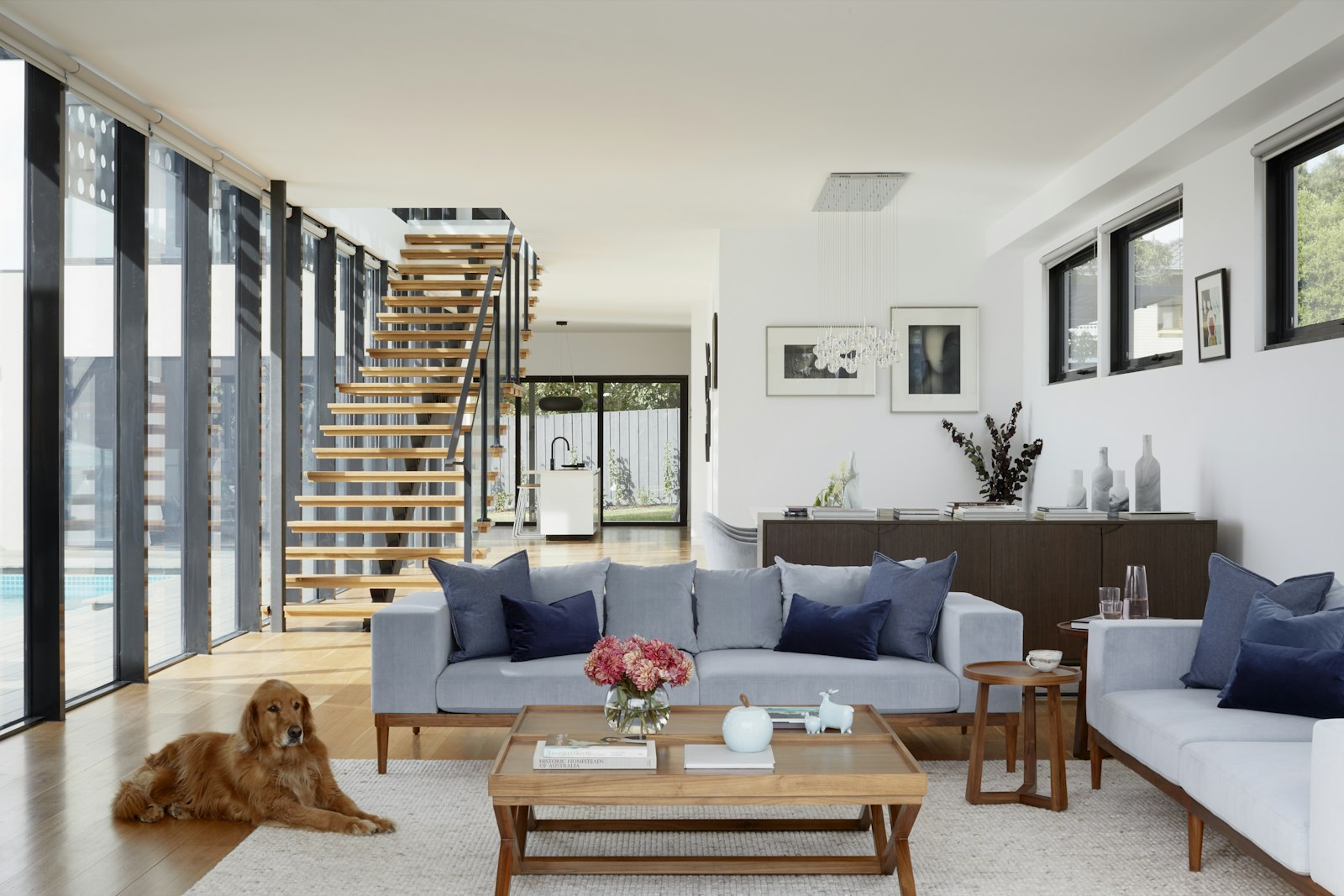
“Visalia — the heart of the Central Valley.”


What makes Visalia special
Sequoia & Kings Canyon National Parks
Just an hour's drive east, these parks contain the world's largest trees, including the General Sherman Tree. Visalia serves as the primary gateway city and benefits from year-round tourism.
Historic Fox Theatre
A beautifully restored 1930 art deco theater in downtown Visalia, now hosting live performances, concerts, and community events as a cultural anchor for the region.
Kaweah Health Medical Center
The largest hospital in Tulare County and one of the region's top employers, providing comprehensive healthcare services and economic stability to the community.
College of the Sequoias
A well-respected community college offering academic transfer programs, vocational training, and a beautiful campus that serves students from across the region.
Mooney Grove Park
A 145-acre county park featuring the Tulare County Museum, the famous End of the Trail statue, mature oak groves, a lake, and picnic areas beloved by families.
Visalia Rawhide (Minor League Baseball)
The Single-A affiliate of the Arizona Diamondbacks plays at Valley Strong Ballpark, providing affordable family entertainment and a festive atmosphere throughout the summer.
ImagineU Children's Museum
An interactive museum designed for children with hands-on exhibits, play areas, and educational programming that makes Visalia a family-destination city.
Testimonials
What Alex's clients say.
Neighborhoods in Visalia
get started
Ready to Move in Visalia?
Schedule a free strategy call to explore Visalia real estate with a local expert.