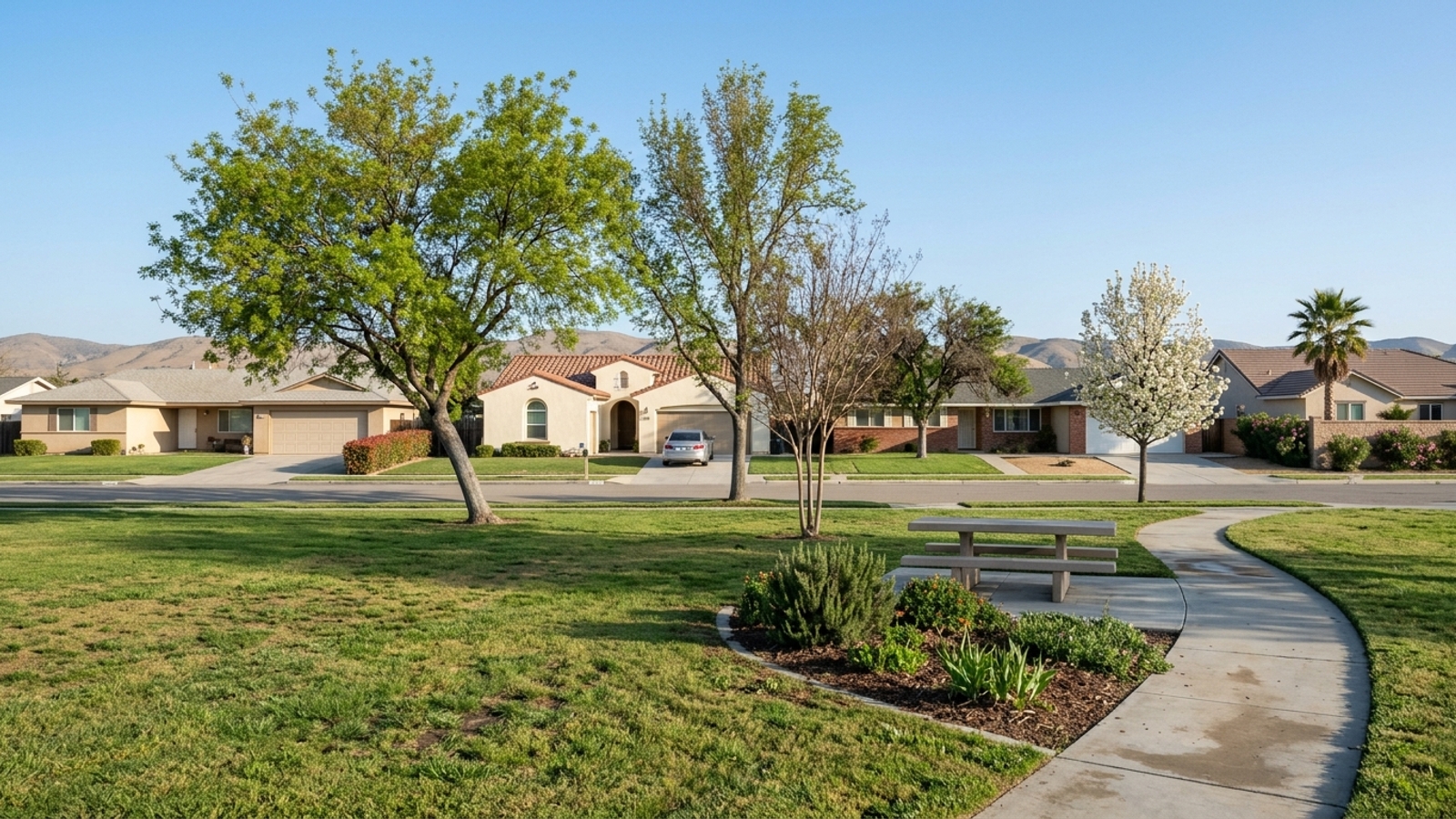
The median sale price for a home in Bakersfield, CA is currently around $419,800, and properties are spending roughly 35 days on the market. For those selling a house in a trust in Bakersfield, CA, the timeline and process depend entirely on the trust document and state law.
Beneficiaries often wonder whether a trustee can list and sell an inherited house without their explicit consent. In most cases, California law allows trustees to proceed with a sale independently - provided they follow specific legal and fiduciary standards. Understanding how these rules work helps both trustees and beneficiaries manage the transaction without surprises.
Trustee Powers and the Trust Document
Under California Probate Code §16226, trustees hold the default power to acquire or dispose of trust property, including real estate, at a public or private sale. That means a trustee can generally sell a house without prior court approval or beneficiary sign-off.
That said, the exact authority always comes down to what the written trust document says. If the trust explicitly restricts the sale of real estate or requires beneficiary consent, those written instructions control - full stop. Without such restrictions, the default state laws under Probate Code §16220 grant the trustee broad management and sale powers.
The trustee also has specific communication duties before a sale is even on the table. Under Probate Code §16061.7, the trustee must notify all beneficiaries within 60 days of the trust becoming irrevocable. This ensures everyone knows the trust exists and understands the trustee's role.
How California Trust Laws Apply
The first step in any potential real estate transaction is reading the trust instrument. The document will tell you whether the trustee has express powers to sell real estate or whether they're operating under the state's implied powers.
As long as the trust doesn't forbid it, a trustee can hire a real estate agent, sign a listing agreement, and accept an offer on a Bakersfield home - without collecting signatures from the beneficiaries to do any of it.
Dealing with Co-Trustees
Sometimes a trust names more than one person to act as trustee. When that happens, California Probate Code §15620 dictates that co-trustees must act unanimously unless the trust document says otherwise.
If the document requires unanimous action, one co-trustee can't sell the property alone. All named acting trustees would need to agree to the sale and sign the listing agreements and closing documents.
Fiduciary Duties and Fair Market Value
A trustee's authority to sell is real, but it's not unlimited. About 26% of recently sold homes in Bakersfield closed above their asking price, which tells you accurate pricing matters here - and California Probate Code §16004 backs that up with a binding legal obligation. The trustee's duty of loyalty means every decision about managing or selling trust assets has to be made in the best interests of the beneficiaries. Having the power to sell is not the same as having the right to sell however you please.
To meet that obligation, the trustee should seek fair market value for the home. That typically means working with local real estate agents, getting professional appraisals, and putting the property on the open market to secure the best possible price.
Acting in the Beneficiaries' Best Interests
State law expressly prohibits self-dealing. A trustee cannot sell trust property to themselves, a close family member, or a business partner at an artificial discount.
Selling below market value to a friend or associate is a direct breach of fiduciary duty. If a trustee goes that route, they can be held personally liable for the financial loss to the trust and the beneficiaries.
The Real Estate Transaction Process in Bakersfield
Local escrow companies process hundreds of transactions a month, and trust sales require specific paperwork to clear title. Title companies in California universally require a Certification of Trust under Probate Code §18100.5 to verify the trustee's authority.
This certification is a condensed two-to-four-page document, signed and notarized by the acting trustee. It confirms the trust's existence, identifies the trustee, states their power to sell, and specifies how title should be vested - all without disclosing private beneficiary details or dispositive terms to the public. Think of it as a summary that gives the title company what it needs without opening the full trust document to outside review.
Alongside the certification, title companies typically ask for the trust's EIN, a Statement of Information, and an Affidavit of Death of Trustee recorded with the county recorder. If a successor trustee is acting, a certified copy of the trustor's death certificate is also required.
Seller Disclosures for Trust Properties
Selling a home in California means standard seller disclosures - the Natural Hazard Disclosure (NHD) and lead-based paint forms for homes built before 1978. Trustees, though, often have limited knowledge of the property's history.
Under California Civil Code §1102.2(d), a trustee who has never occupied the home is exempt from providing the standard Transfer Disclosure Statement (TDS). This protects the trustee from liability for hidden defects they couldn't reasonably know about.
Required Signatures at Closing
The trustee holds the legal authority to manage trust assets, which makes them the only party required to sign the closing documents. Beneficiaries don't sign the deed, the escrow instructions, or the final settlement statements.
If a title company finds the Certification of Trust insufficient, they might request additional excerpts from the trust document. Once they're satisfied with the trustee's authority, the transaction moves forward - no beneficiary signatures needed.
Options for Beneficiaries Who Disagree
Trust disputes in the local area are handled by the Probate Division of the Superior Court of California, County of Kern, which has original jurisdiction over trusts, wills, and decedents' estates.
If beneficiaries suspect a trustee is breaching their fiduciary duty - selling the home below market value or engaging in self-dealing - they're not without options. Under Probate Code §17200, beneficiaries can petition the court to restrain the trustee or challenge a pending sale. Court-employed Probate Examiners review all filings for compliance with the Probate Code before a hearing takes place, which flags procedural problems early and helps streamline the judicial review.
Filing a Petition in Kern County
All probate and trust petitions must be filed at the Probate Division located at 2100 College Avenue, Bakersfield, CA 93305. Beneficiaries can also contact the Probate Examiner line at 661-610-6970 for procedural questions about filings.
While filings go to the College Avenue location, hearings may be held at the Metropolitan Division or Justice Building at 1215 Truxtun Avenue. Most trust matters proceed before a judge without a jury, though the court retains the authority to conduct jury trials if needed.
Frequently Asked Questions
Do all beneficiaries have to agree to sell an inherited house in a trust?
No. Unless the trust document specifically requires beneficiary approval, California Probate Code §16226 gives the trustee the default power to sell real estate independently. The trustee alone signs the listing agreements and closing documents.
Can a trustee face legal consequences for selling Bakersfield property below market value?
Yes. If the trustee intentionally sells the property below market value to a friend or themselves, it's a breach of their fiduciary duty under Probate Code §16004. Beneficiaries can petition the Kern County Probate Court to challenge the sale or hold the trustee financially liable.
Can a trustee sell a house to themselves in California?
No. Selling trust property to themselves is considered self-dealing, which violates the trustee's duty of loyalty. California law prohibits trustees from using their position to gain a personal financial advantage at the expense of the beneficiaries.
Can a beneficiary legally stop a trust sale in Bakersfield if they disagree with the transaction?
Yes. Beneficiaries can file a petition with the Probate Division of the Kern County Superior Court. Under Probate Code §17200, the court can issue an injunction to restrain the trustee or block the sale if there's evidence of a fiduciary breach.
Are trustees exempt from providing standard real estate disclosures when selling a house in Bakersfield?
It depends. Under California Civil Code §1102.2(d), a trustee who never occupied the home is exempt from providing the standard Transfer Disclosure Statement (TDS). They must still provide other required documents, such as lead-based paint disclosures for homes built before 1978.
Do beneficiaries pay the realtor fees and closing costs when a trustee sells an inherited property?
No. The trust itself covers these transaction expenses. The costs are deducted from the sale proceeds at closing before the final funds are managed or distributed by the trustee.