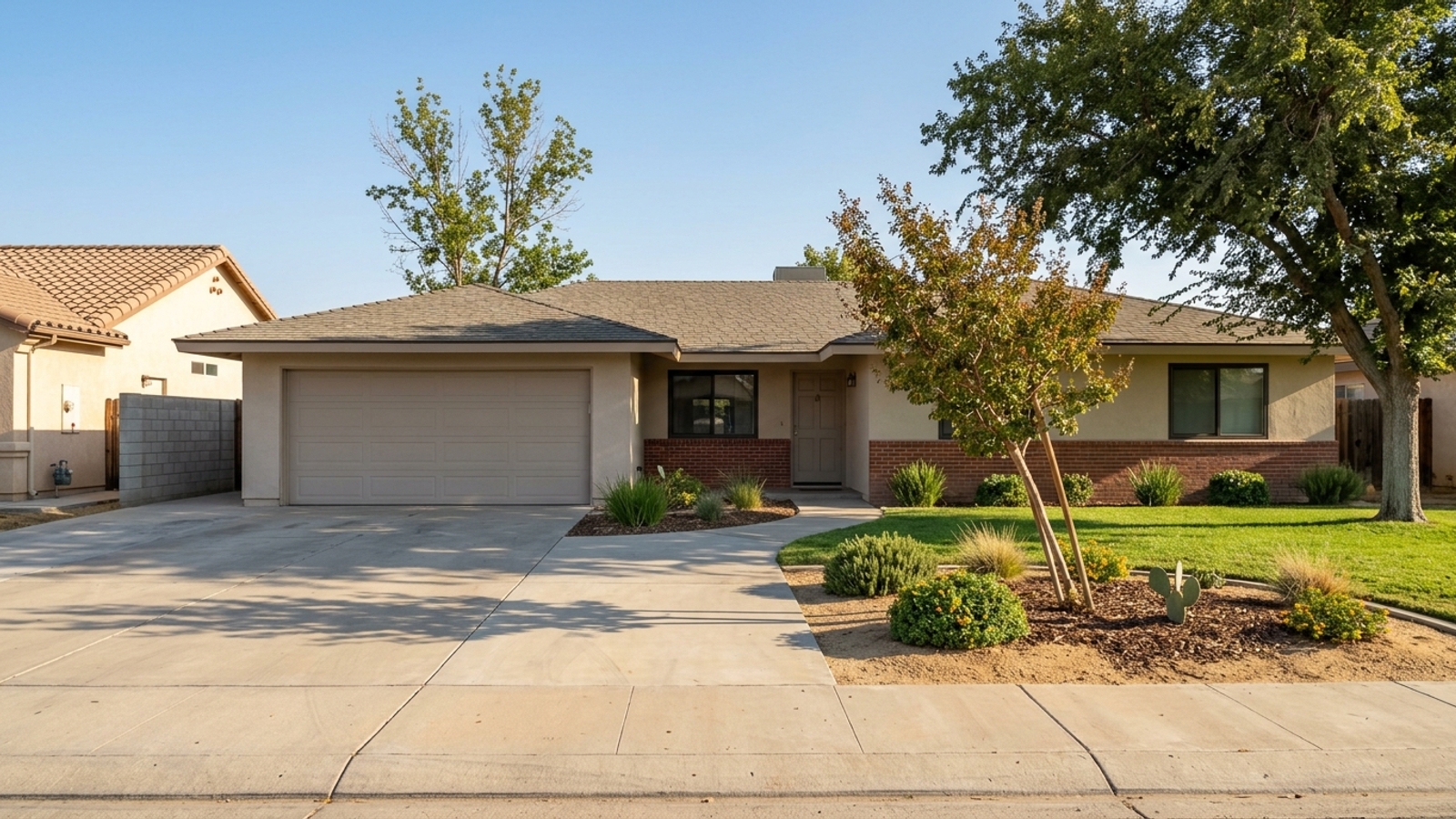
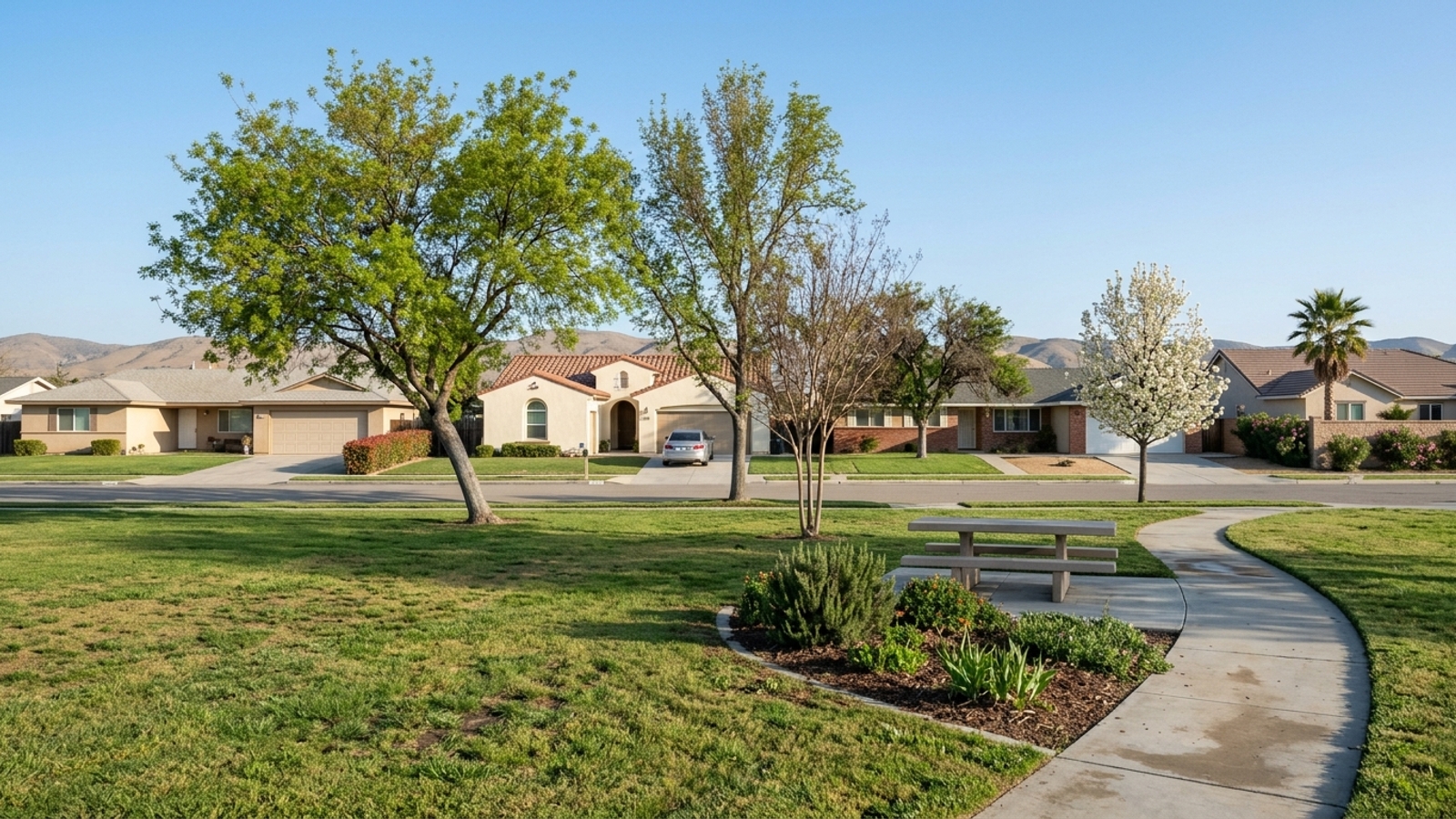
Bakersfield's median home sale price is currently around $419,800. For most couples dealing with divorce and real estate in Bakersfield, the house is the largest shared financial asset either of them has - and what you decide to do with it will drive both the timeline and the financial outcome of the entire separation.
The Kern County Superior Court handles local divorce proceedings, and California's property laws require untangling every shared investment before things can be settled. Selling a house during a divorce means coordinating with a soon-to-be ex-spouse, understanding what state statutes require, and agreeing on listing terms - often while everything else in your life feels unresolved. This guide explains how the process works and what steps you can take to keep the sale from becoming another source of conflict.
How California Property Division Laws Affect Your Home
California Family Code Section 2550 mandates that courts divide a community estate equally between parties unless there's a written agreement or an oral stipulation made in open court. That statute is the foundation for how equity in a Bakersfield home gets handled when a marriage ends.
California treats marriage as a financial partnership. When that partnership dissolves, the assets built inside it have to be split. Real estate is usually the most valuable piece of that puzzle, and figuring out who owns what - and in what proportion - determines how the proceeds get distributed.
Defining the Marital Home Under State Law
California Family Code Section 760 defines community property as all property acquired by either spouse during the marriage while domiciled in the state. If you bought your Bakersfield home after the wedding using shared funds, it's almost certainly community property. Both spouses have an equal claim to the home's value, regardless of whose name is on the mortgage or the deed.
Separate property is different - it covers assets acquired before the marriage, after the date of separation, or through inheritance or gift. If one spouse owned the house before the wedding, it may qualify as separate property. That said, if community funds paid the mortgage or covered renovations during the marriage, the community estate may have picked up an interest in the equity.
Working with Community Property Rules
Family Code Section 2640 lets spouses seek reimbursement for separate property contributions made to community assets. If you used $50,000 from an inheritance to cover the down payment on a shared home, you can petition to recover that specific amount before the remaining equity gets divided.
The details here matter, and they're worth getting right. A family law attorney can calculate the exact split - accounting for mortgage paydowns, separate contributions, and current market value - so nothing gets left on the table.
Options for Your Shared Real Estate
Homes in Bakersfield are currently selling in roughly 35 days, which means couples who decide to list can usually liquidate the asset without a long wait. There are three main paths forward, and the right one depends on both parties' financial stability, their housing needs, and how much equity sits in the property.
The court doesn't automatically force a sale if you can agree on something else.
Selling the Property and Splitting the Proceeds
This is the most common route. Selling and dividing the profits gives both people a clean break and puts cash in hand to secure new housing. The proceeds are split according to community property rules or a negotiated settlement agreement, and once it's done, neither spouse has to worry about the other missing a mortgage payment or letting property taxes fall behind.
One Spouse Buying Out the Other
If one person wants to stay, they can buy out the other spouse's share of the equity. The purchasing spouse has to secure financing in their own name - paying off the existing mortgage and handing the departing spouse their half of the equity. The departing spouse then signs a quitclaim deed to remove their name from the title.
A professional appraisal is required to establish the home's current market value. With Bakersfield's median sale price near $419,800, a spouse looking to keep a fully paid-off home would need to finance roughly $209,900 to complete a 50/50 buyout. That's a meaningful qualification hurdle on a single income.
Co-Owning the Home After the Divorce
Some couples retain joint ownership for a set period - often when parents want to keep children in the same school district until graduation, or when both parties agree to delay the sale for other reasons.
Co-ownership requires a detailed legal agreement covering who lives in the home, who pays the mortgage, and how maintenance costs are handled. Both names stay on the loan, so any missed payments affect both credit scores. It can work, but it requires an unusual level of post-divorce cooperation.
Steps to Sell a House During a Divorce in Bakersfield
Local homes are selling for about 99.2% of their list price right now, which means a well-priced property attracts serious buyers quickly. Managing that transaction alongside a divorce requires clear communication and a structured approach from the start - because any ambiguity between co-sellers becomes a delay.
Both spouses should agree on the logistics before the listing goes live, from who you hire to how you'll handle offers. Establishing those ground rules early keeps the property moving through escrow without legal roadblocks.
Choosing a Neutral Real Estate Agent in Kern County
Hire an agent who has no prior personal relationship with either spouse. A neutral agent prevents claims of bias and ensures all communication is handled transparently. The agent's fiduciary duty runs to the transaction and to both sellers as a unit - not to one party's divorce strategy.
That agent manages listing details, coordinates showings, and presents offers to both parties simultaneously. It removes the need for the two of you to communicate directly about routine real estate tasks, which is worth more than it sounds.
Setting the Asking Price Together
Pricing the home requires agreement from both sellers. Your agent will provide a comparative market analysis of recent sales in Bakersfield and recommend a listing price - and both of you should rely on that local market data, not on what you personally need the number to be.
If one spouse wants a quick sale at a lower price and the other wants to hold out for top dollar, the agent can show exactly how pricing affects the expected timeline. With homes currently sitting on the market for an average of 35 days in Bakersfield, you'll have a concrete baseline for what "holding out" costs in time.
Handling Showings and Offers
Preparing for showings takes cooperation. Both of you need to agree on who handles repairs, decluttering, and staging. If one spouse is still living in the home, they're responsible for keeping it show-ready and for vacating during buyer tours.
When an offer comes in, both spouses must sign the purchase agreement. If you can't agree on whether to accept, your respective family law attorneys may need to step in to break the deadlock.
Dividing the Proceeds at Closing
At closing, the escrow company pays off the remaining mortgage balance, property taxes, real estate commissions, and closing costs. What's left is the net proceeds.
The escrow officer distributes those funds exactly as outlined in the court order or written settlement agreement - typically wired directly into each spouse's separate bank account. That's the moment the real estate portion of the divorce is finished.
Tax Implications of Selling Your House
The IRS allows married couples filing jointly to exclude up to $500,000 in capital gains from the sale of a primary residence. Single filers can exclude up to $250,000. Where you are in the divorce process when the sale closes determines which of those figures applies to you.
Because tax rules are complex, divorcing couples should consult a CPA to evaluate their specific liabilities before listing the home.
Capital Gains Tax Exemptions
To qualify for the exclusion, you must have owned and lived in the house for at least two of the five years leading up to the sale. If the divorce settlement grants one spouse the right to live in the home for several years before selling, the non-resident spouse can still claim the exemption - provided the arrangement is documented in the divorce decree.
If the home has appreciated, that exclusion shields a real amount of money from federal taxes. Verify your eligibility with a tax professional before you close, not after.
Timing the Sale for Tax Benefits
The timing of the sale affects how you file and what you can exclude. If the sale closes while you're still legally married, you can file jointly and claim the $500,000 exclusion. If the divorce is finalized before the sale, you'll each file as a single individual and claim a $250,000 exclusion on your respective share of the profits.
A family law attorney and a CPA, working together, can advise on the most advantageous sequence based on your overall financial picture. It's one of those decisions where the order of events genuinely changes the outcome.
Frequently Asked Questions
Can I force the sale of a house during a divorce in California?
Yes. The Kern County Superior Court can order the sale of the marital home if the spouses can't agree on what to do with it. If neither party can afford to buy out the other, the judge will typically mandate a sale to ensure the community property is divided equally under California Family Code Section 2550.
Who gets the profit from selling a house in a divorce?
The profit is distributed based on your settlement agreement or a court order. In California, community property equity is generally split 50/50, but adjustments are made to reimburse spouses for separate property contributions - such as an inheritance used for the down payment.
Should we sell the house before or after the divorce is final?
It depends on your financial goals and tax strategy. Selling before the divorce is final lets you file taxes jointly and claim a $500,000 capital gains exemption. Selling after means filing individually, with a $250,000 exemption each.
Is it better to sell our Bakersfield house or have one spouse buy out the other?
A buyout provides stability for the spouse who stays, but it requires them to qualify for a mortgage on a single income - covering both the existing loan payoff and the departing spouse's equity. Selling gives both parties a clean financial break and cash to start over.
Are there capital gains taxes when selling a marital home during a divorce in California?
You'll only owe capital gains taxes if your profit exceeds the IRS exclusion limits. Single filers can exclude up to $250,000, and married couples filing jointly can exclude up to $500,000 - provided both meet the two-year ownership and residency requirements.
How do we split the costs of repairs and realtor fees when selling our Bakersfield home?
Those costs are typically deducted from the final sale proceeds during escrow before the remaining equity is divided. If upfront repairs are needed, you can agree to split the out-of-pocket costs, or have one spouse pay and receive reimbursement from the closing funds.
How long will it take to sell our shared property?
Couples managing divorce and real estate in Bakersfield can usually liquidate their shared asset without a long wait. Local homes are currently spending an average of 35 days on the market before selling.