
Tulare County County
Real Estate in Tulare.
Home to the World Ag Expo — the largest annual agricultural exposition on Earth — Tulare is a thriving city of nearly 70,000 where a powerful farming economy, growing residential neighborhoods, and strong community pride create a dynamic real estate market in the heart of the San Joaquin Valley.
Quick Facts
- CountyTulare County County
- Population69000
- Median Home Price$340,000
- Avg Days on Market33
- ConsultationFree
Tulare: Heart of the World's Richest Farmland
If agriculture had a world capital, Tulare would have a strong claim. This city of approximately 69,000 residents sits in the geographic and economic center of Tulare County — itself the most productive agricultural county in the United States by value. Each February, the World Ag Expo transforms the International Agri-Center into a global gathering of over 100,000 farmers, ranchers, and agribusiness professionals from more than 70 countries. That event is Tulare distilled: a community deeply connected to the land, confident in its identity, and growing in ways that make its real estate market one of the most interesting in the San Joaquin Valley. Alex Daredia works with buyers in Tulare who appreciate the combination of agricultural authenticity and modern amenity that this city provides.
Real Estate Market Overview
Tulare's housing market occupies a strategic middle ground: more affordable than Visalia to the north, yet more developed and amenity-rich than smaller surrounding towns. The median home price of approximately $340,000 provides access to a full range of housing, from established character homes near downtown to brand-new construction on the city's expanding edges. Average days on market of around 33 reflect a healthy, active market with consistent buyer interest.
The market segments cleanly. First-time buyers find options in south and central Tulare from the $250K–$310K range. The family market — three- and four-bedroom homes with modern finishes — clusters in the $330K–$420K sweet spot, particularly in newer northern subdivisions. Move-up and custom homes in the city's most desirable corridors push from $450K toward $600K. For investors, Tulare's rental market benefits from agricultural workforce demand and growing population, offering competitive yields.
Neighborhood Guide
- Heritage District: Tulare's historic residential area near the downtown core, featuring early 20th-century homes with architectural details, mature street trees, and walkability to Main Street businesses. These character homes, priced from $270K–$370K, attract buyers who want charm and centrality.
- North Tulare: The primary growth area with multiple new subdivisions from builders like Lennar and D.R. Horton. Modern energy-efficient homes with open floor plans start in the $340K range and climb to $480K+ for premium lots and upgrades.
- Cartmill Avenue Corridor: A commercial and residential corridor in the newer part of the city, with convenient access to shopping, restaurants, and services. Surrounding homes are relatively modern and priced in the mid-$300s to low $400s.
- Downtown Tulare: The commercial heart centered on Kern and K Streets, with ongoing revitalization. Surrounding residential properties offer value pricing, often under $300K, and are popular with first-time buyers.
- West Tulare: Established neighborhoods with a mix of home ages and styles. Larger lots and proximity to open agricultural land give this area a spacious feel at moderate prices.
- Prosperity: A newer planned development offering contemporary homes with community amenities, attracting buyers who want the newest housing stock in a designed neighborhood setting.
Economy & Agriculture
Tulare's economy is built on the world's most productive farmland. The city and county produce dairy products, citrus, grapes, almonds, cattle, and dozens of other commodities at a scale that feeds global markets. Major agribusiness companies maintain headquarters or significant operations here, including dairy processing, packing, and farm equipment businesses. The World Ag Expo generates enormous annual economic impact through tourism, hospitality, and vendor spending. Beyond agriculture, Tulare benefits from retail (the Tulare Outlet Center is a regional draw), healthcare (Tulare Regional Medical Center), and a growing logistics presence along the Highway 99 corridor.
Schools & Education
Tulare Joint Union High School District operates Tulare Union High School and Tulare Western High School, both with strong traditions in academics and athletics. The elementary districts serve younger students across multiple campuses, and several schools have received recognition for academic achievement. College of the Sequoias has a Tulare campus providing local access to community college programs, and Fresno State and other universities are within commuting distance for four-year degrees.
Community & Events
Life in Tulare revolves around agriculture and community. The World Ag Expo in February is the anchor event, but the calendar stays busy with the Tulare County Fair, downtown events, holiday celebrations, and agricultural showcases throughout the year. The city's parks — particularly Zumwalt Park and its sports complex — serve as gathering places for youth athletics, family picnics, and community programs. Dining reflects the agricultural heritage: farm-to-table is not a trend here, it's how things have always been done. Local Mexican and American restaurants, taco trucks, and family-owned eateries serve as the community's social infrastructure.
Location & Connectivity
Tulare is positioned directly on Highway 99, the San Joaquin Valley's primary north-south artery. Visalia is just 15 minutes north, Fresno is under an hour, and Bakersfield is approximately 90 minutes south. Highway 137 (Tulare Avenue) connects east-west across the valley. This connectivity makes Tulare ideal for businesses and individuals who need to reach multiple valley destinations. The planned California High-Speed Rail route will run through the corridor, with future potential to transform regional travel patterns.
Why Invest in Tulare
Alex Daredia recommends Tulare to buyers who want to be part of a community with a clear economic identity and a strong future. The agricultural economy here isn't cyclical in the way oil or tech can be — people always need to eat, and Tulare County's farms feed the world. That stability underpins the housing market. New construction gives buyers fresh options, the price discount relative to Visalia provides value, and the city's position on Highway 99 ensures long-term relevance. Whether you're a family looking for a new home in a growing neighborhood, a first-time buyer ready to stop renting, or an investor who understands the power of agricultural economics, Tulare is a market that makes fundamental sense.
Why here?
Reasons to call it home.
World Ag Expo — Global Agriculture Capital
Tulare hosts the World Ag Expo each February, the largest annual agricultural exposition in the world. Over 100,000 attendees from 70+ countries converge on the International Agri-Center, generating massive economic impact and cementing Tulare's identity as a global agriculture hub.
Growing Residential Market with New Construction
Tulare's north and west sides are experiencing a building boom, with multiple new subdivisions offering modern homes with energy-efficient designs, open floor plans, and community amenities. This new construction provides buyers with options that match today's lifestyle expectations.
Strategic Highway 99 Location
Tulare's position on Highway 99 — the San Joaquin Valley's primary artery — provides excellent connectivity to Visalia (15 min), Fresno (55 min), and Bakersfield (90 min). Commercial and industrial businesses benefit from this logistics advantage, supporting job growth.
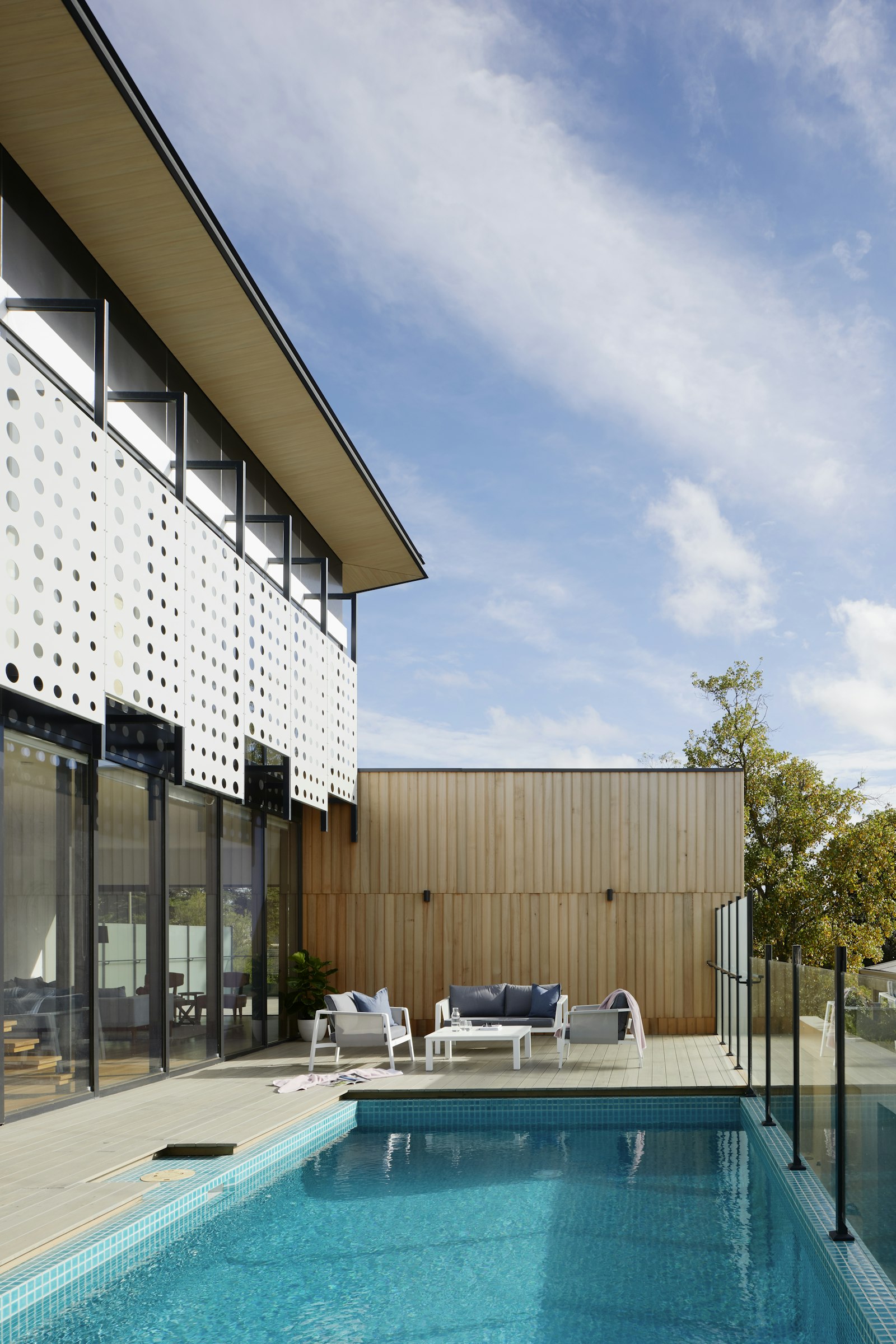
“Tulare — where agriculture meets aspiration.”


What makes Tulare special
World Ag Expo / International Agri-Center
The largest annual agricultural show in the world, held each February, featuring over 1,400 exhibitors, cutting-edge farm technology, and 100,000+ attendees from around the globe.
Tulare Outlet Center
A regional shopping destination along Highway 99 featuring name-brand outlet stores that draw shoppers from across Tulare and Kings counties.
Tulare Regional Medical Center
A full-service hospital providing emergency care, surgical services, and outpatient clinics — ensuring quality healthcare access for residents without needing to travel to Visalia.
Zumwalt Park & Centennial Park
Tulare's premier parks featuring sports complexes, aquatic centers, playgrounds, and community gathering spaces that support an active family lifestyle.
Veterans Memorial Building
A historic downtown building hosting community events, dances, and gatherings that serve as a social anchor for the city's civic life.
Heritage District
Tulare's historic residential neighborhood featuring early 20th-century homes, mature trees, and a character that captures the city's agricultural prosperity.
Testimonials
What Alex's clients say.
Neighborhoods in Tulare
get started
Ready to Move in Tulare?
Schedule a free strategy call to explore Tulare real estate with a local expert.